February 16th, 2015 by Rachel | Tags: Disability, Peace Corps, Photo Essay | No Comments »
In the past couple weeks, I met a number of persons with disability who have very rarely or never left their home due only because of their disability. Their life and view of the world is very limited. Sometimes one has to wonder if these people are living in a life like an animal who only lives in a cage. Is limiting a person’s ability to move out of the home a human rights violation?
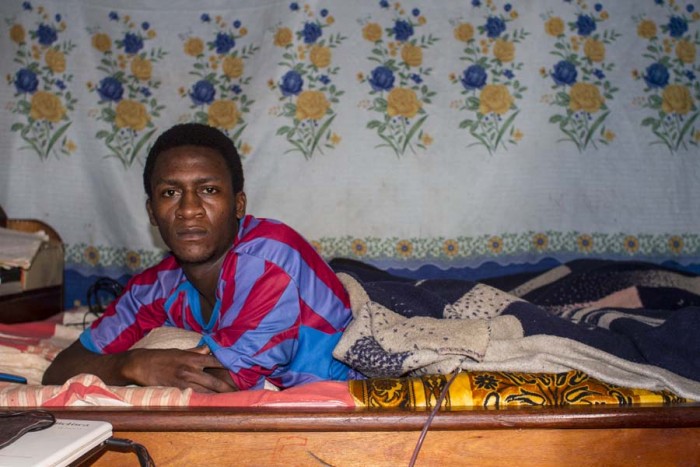
This 25 year-old man was in an accident two years ago. He was in a taxi with five other people and he was the only one who became injured. The taxi rolled over many times. He became paralyzed and has never left home since then. He was still in secondary school at the time of the accident and had to drop out. He has rarely left his bed except to sit on a chair located next to his bed from time to time and to go to the bathroom. He still suffers pain in the spine and dizziness. I asked him why he doesn’t have any devices to help him move. He said that using a wheelchair is too difficult and crutches are not possible at all. He said that he did go to a hospital when he had the accident but likely didn’t receive proper care.
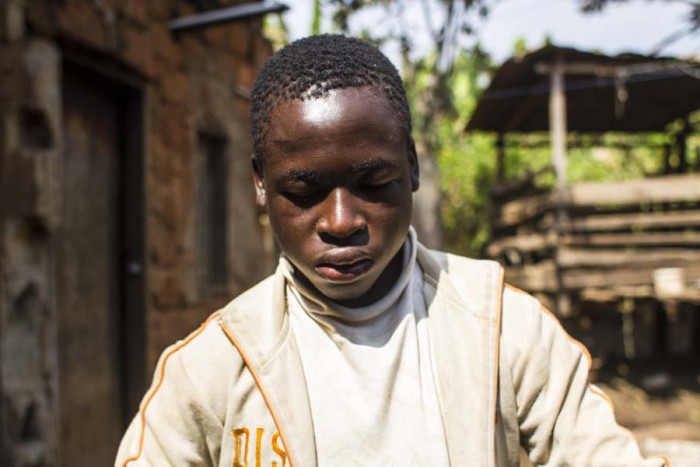
This 17 year-old boy became deaf and blind when he was a very little child from unknown reasons. The mother said that he had discharges coming out of his eyes just before he became deaf and blind. He has never once attended school. He has zero language. He knows only a few tactile signs created by his mother. He stays home all day even though the mother said her biggest frustration is helping him use his energy and keep him moving. She also said that she struggles to help him manage his anger.
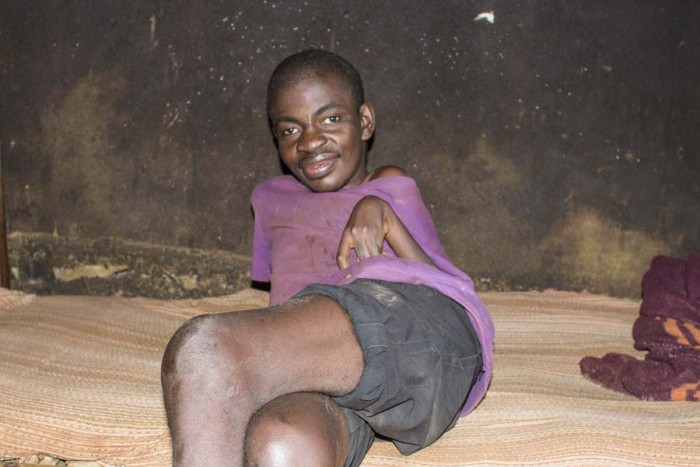
This 28 year old man lives with his sister and stays in his room on his bed all day long. He has never attended school. He suffers from seizures on regular basis and in fact, he had an episode while I was there. According to his sister, he has epilepsy, intellectual disability and mobility disability. He doesn’t speak. His seizures were first identified when he was 8 months-old. He was once able to walk but stopped being able to walk when he was 3 years-old. His sister believes that his seizures made him become more disabled over the years When I asked his sister why he doesn’t have any devices to allow him to move, she said that she would love to get him a wheelchair but does not know where to find one.
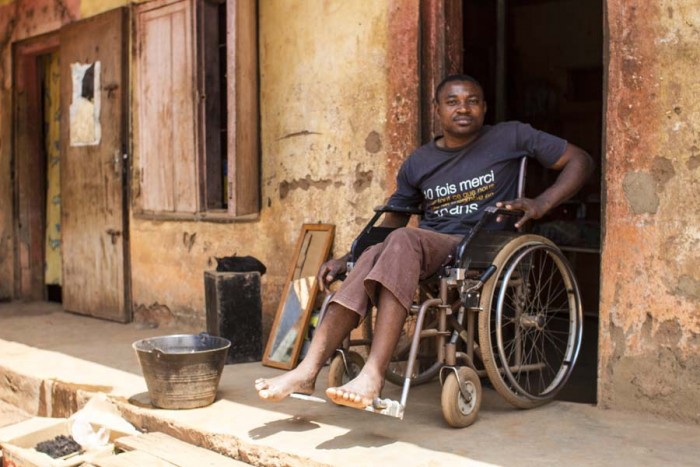
This 35 year old man became disabled when he was 21 years old from an injury. His spine became dislocated when he lifted heavy objects. He believes that he would not have been disabled as he is today if he had better quality of health care. The doctors did not identify his injury quickly enough to repair his spine to the point that he could maybe walk again. He spends most of his days in his shop which is clearly also his home as his bed was in the shop too. He sends neighbors to get water and sometimes pays them.
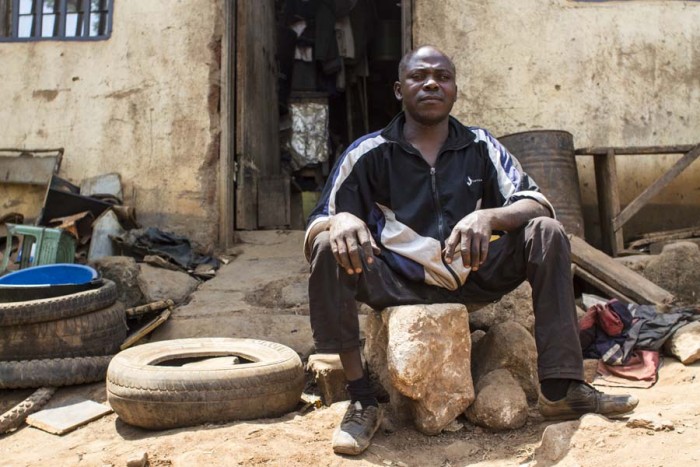
This 40 year-old man became disabled at the age of one year old from quinniamax injection. He has a tricycle but it is broken at the moment and has no money to repair it. Therefore, he is crawling now. He spends most of his days in a small little room repairing shoes. If he needs to get to a place, he will try to catch a motorcycle and pay him to take him to places. This man has never attended school not only because he had no money but also because it was too difficult for him to commute to school. Like many other persons with mobility disability, he pays someone to bring water to him.
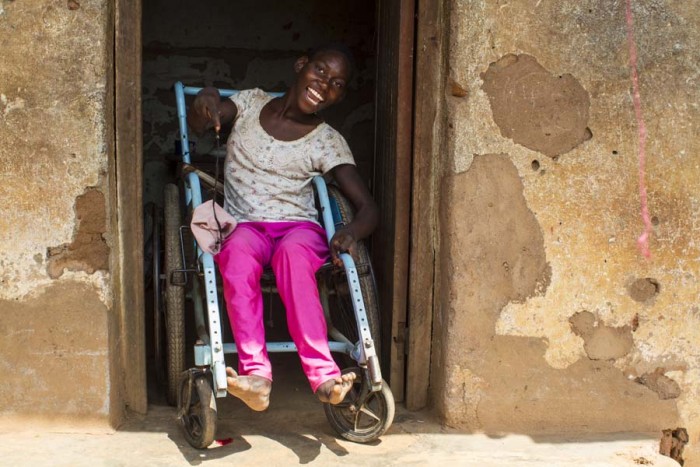
This 16 year-old girl has never once attended school only because the grandmother believes that the school cannot support her and that she cannot learn. She has cerebral palsy and cannot speak at all. When I asked her grandmother who cares for the girl what are the biggest challenges that she faces and she said that handling her monthly menstruation.
February 11th, 2015 by Rachel | Tags: Culture Exchange, Disability, Peace Corps, Photo Essay, Photography | No Comments »
Last week, when Samuel, my work supervisor, handed me an invitation to a wedding, he said to me, “This is a historical, once in a life time wedding. A woman with disability is getting married.” In Cameroon, marriage is one of the greatest challenges in the population of women with disability. Majority of women with disability are not married, according to a research study by Shirin Kiani, while at least 50% of men with disability are married. Discrimination in general is one of the reasons that women with disability struggle to get married. Then also, because of the cultural standards in Cameroon, women are expected to do household chores. Therefore, if women are unable to do household work, men are more reluctant to marry them. There is also an issue with people also having a false belief that disability is contagious.
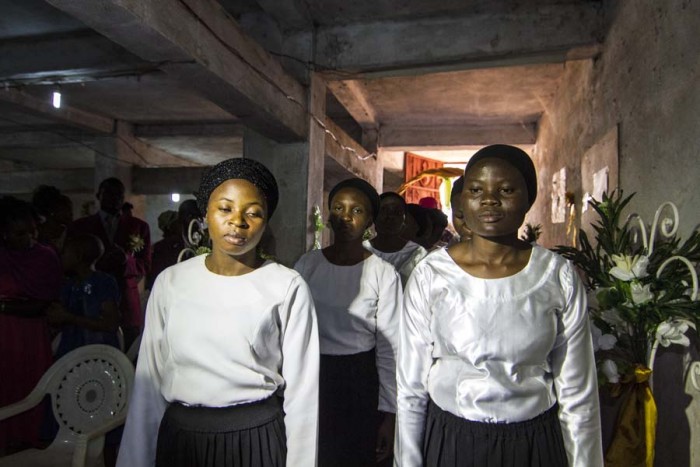
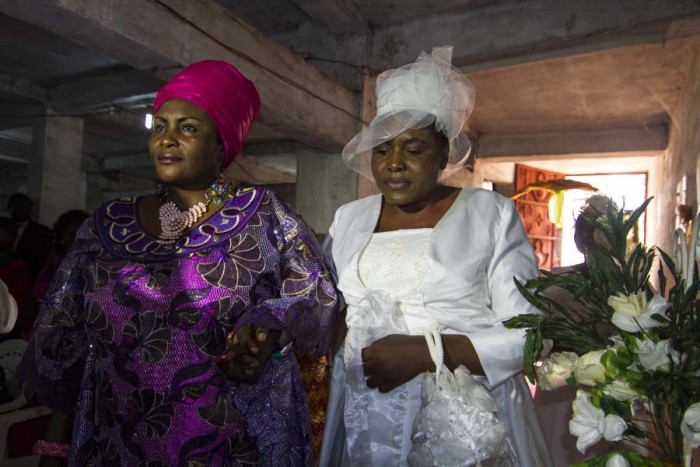
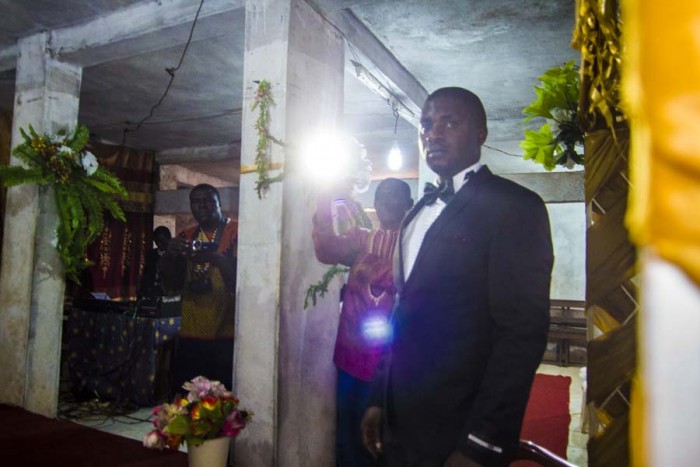
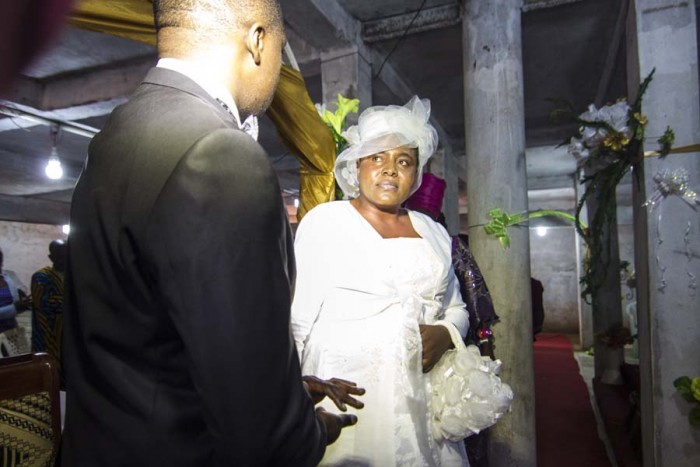
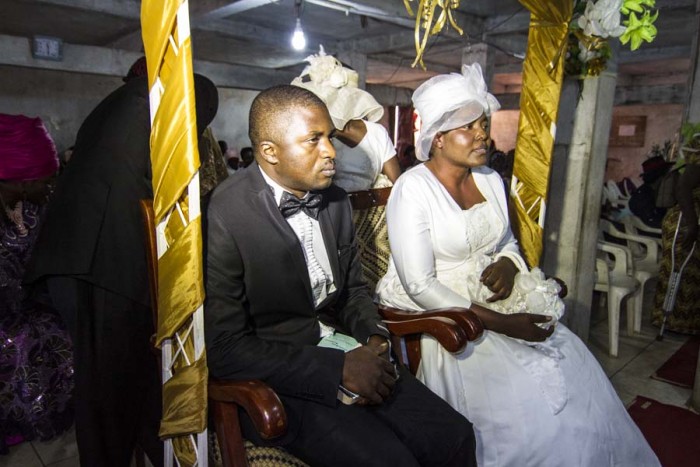
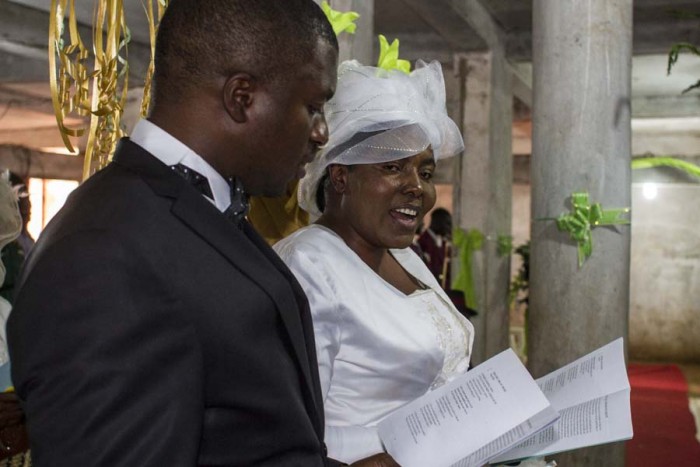
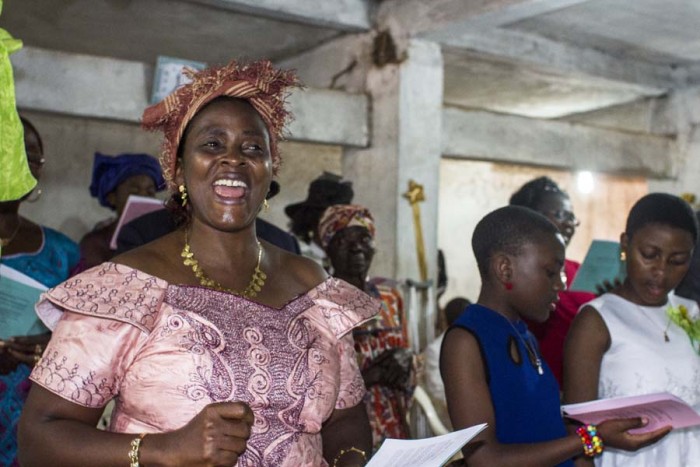
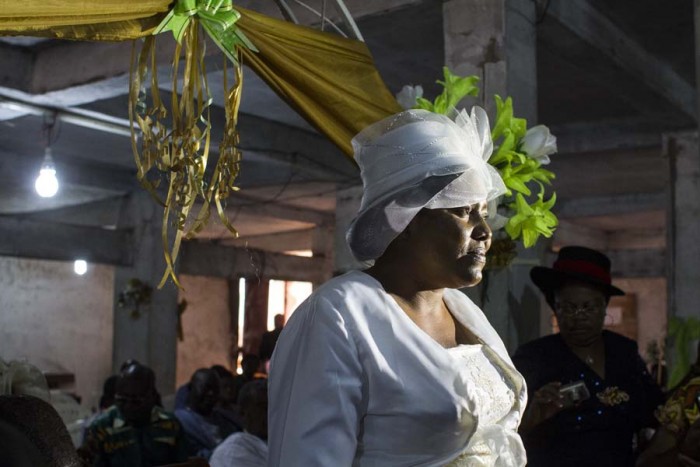
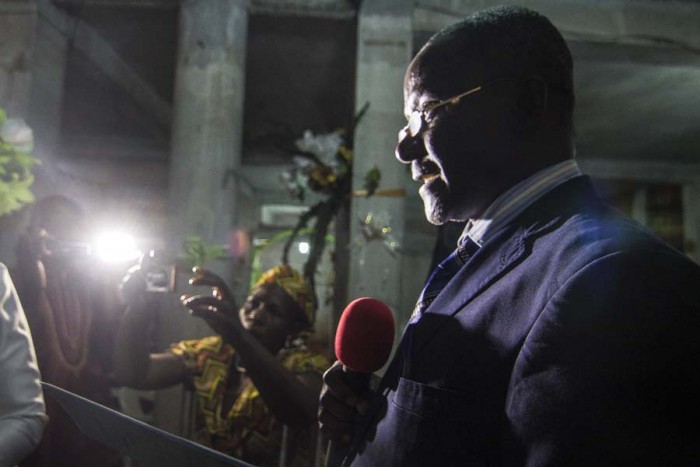
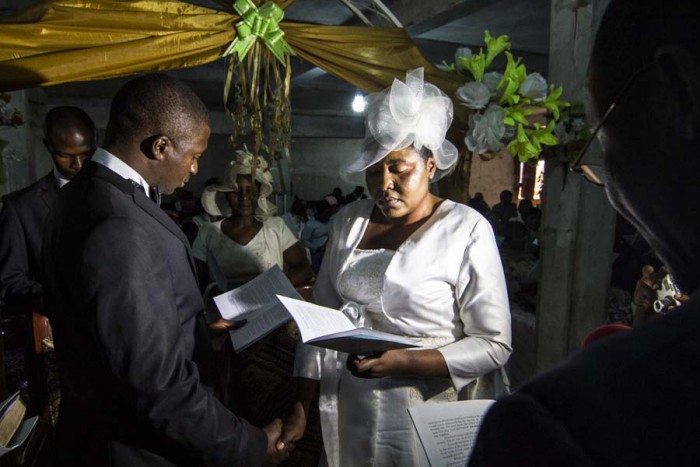
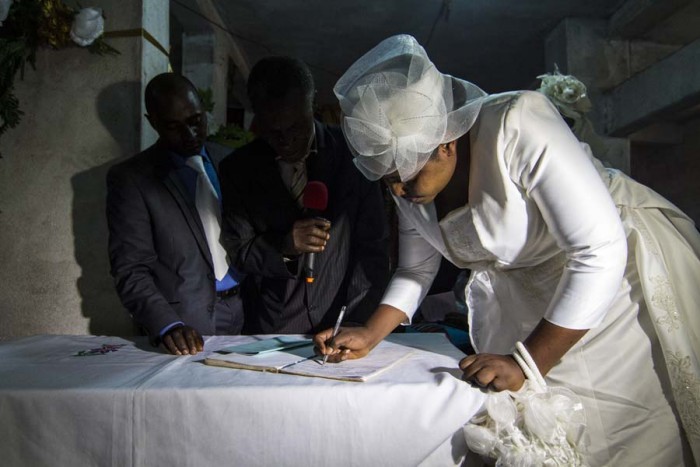
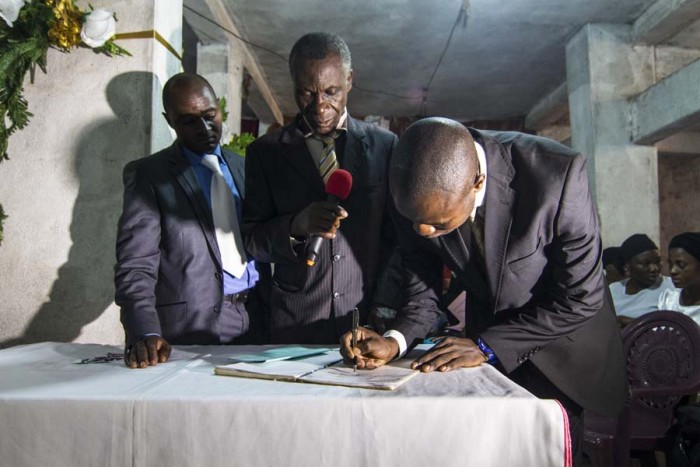
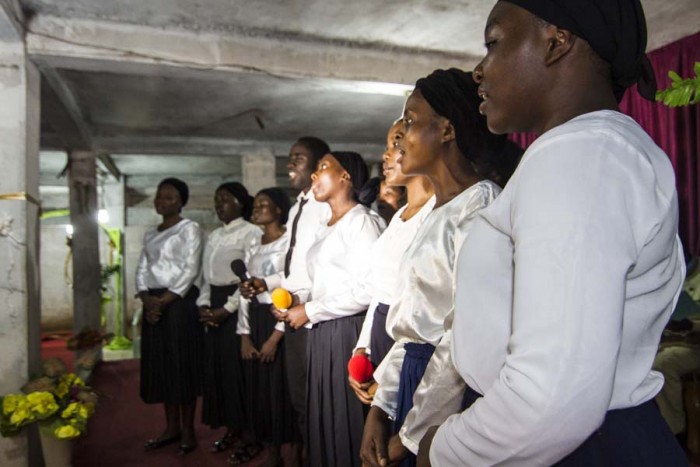
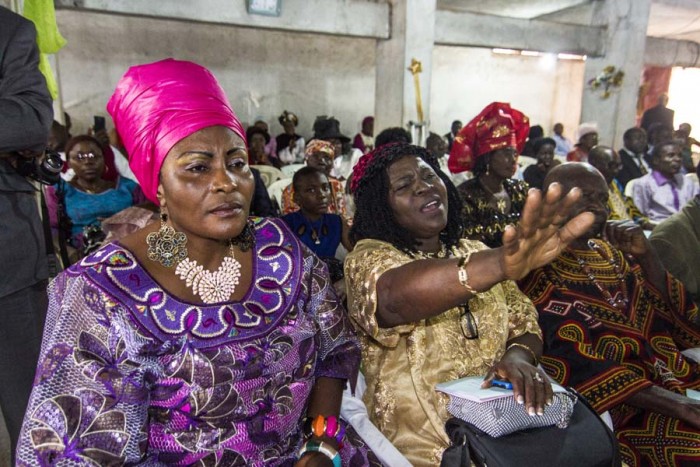
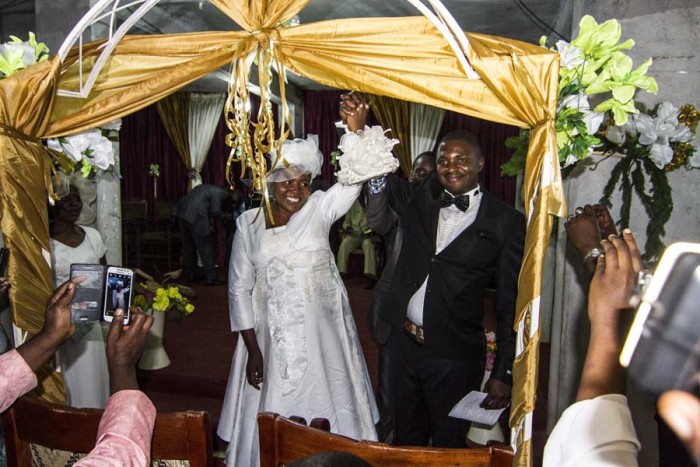
This Saturday, I attended the wedding of Magdalene who has a mobility disability, and Etienne. It was a beautiful wedding that was attended by many persons with disability. The wedding ceremony was very similar to the American weddings where the bride wore a white gown and the groom wore a tuxedo and the groom entered the ceremony first and waited for the bride to walk down the aisle. The only major difference I noticed was that the ceremony lasted much longer than an ordinary wedding in the US. This wedding included a sermon and a few other speeches.
February 11th, 2015 by Rachel | Tags: Peace Corps, Photo Essay, Youth | No Comments »
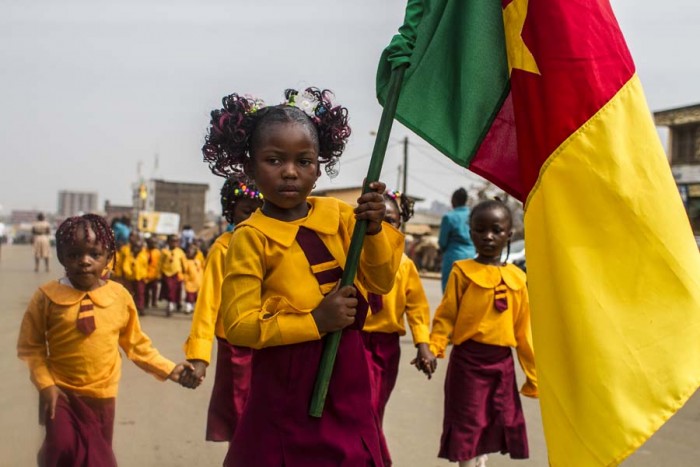
Youth Day is celebrated in many countries and Cameroon happens to be one of the countries that recognizes this day. Cameroon holds the day as a national holiday every year on February 11th. It’s a day to honor all the youth and embrace the importance of education. Many towns around the country celebrate the day by holding a parade. I attended a parade in Bamenda for Youth Day. Children from all schools in the city participated in the parade. It was not only very interesting to see various school uniform designs, but also how gender plays a role in the march. In almost all sections of the parade, girls and boys were separated. In other words, girls marched together in one group while boys marched together in one group. Almost all girls wore dresses while all boys wore pants. Some school groups got creative by creating party hats or playing musical instruments.
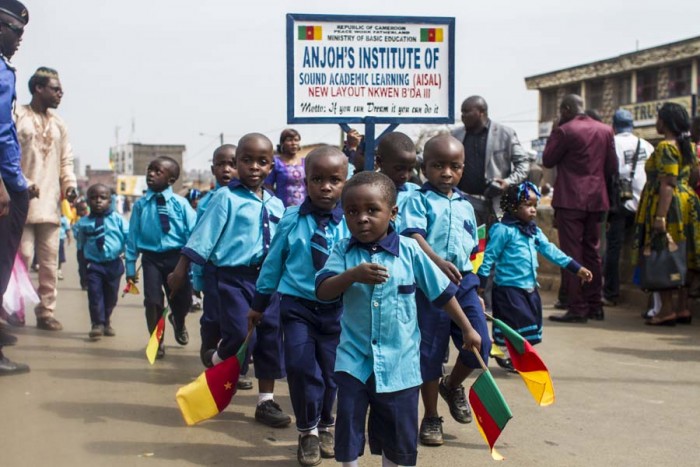
Children of all ages, ranging from preschool to high school, participated in the march.
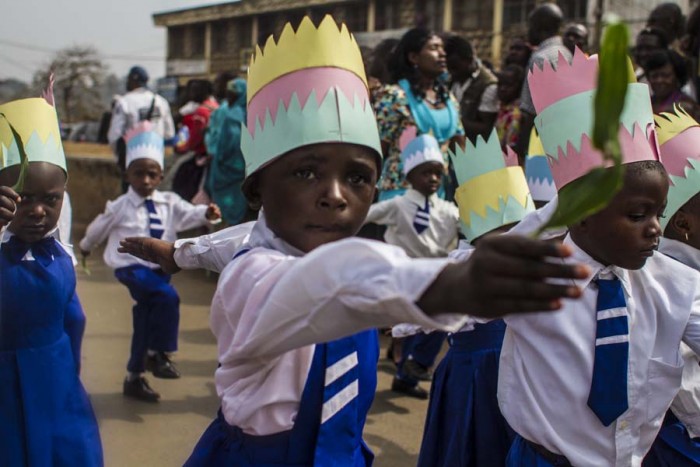

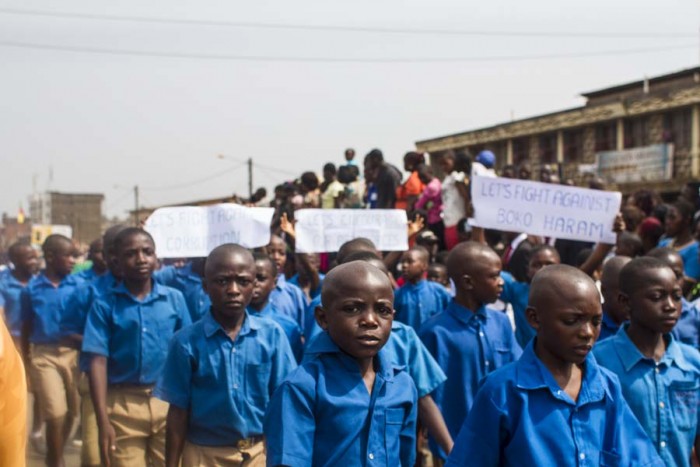
Some children raised awareness about current issues in the parade.



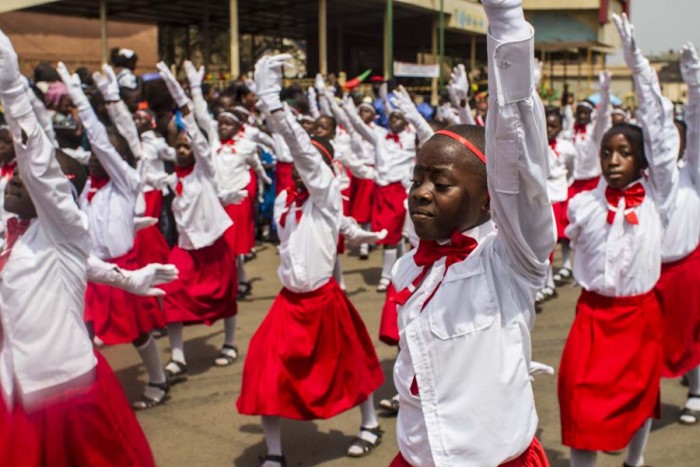
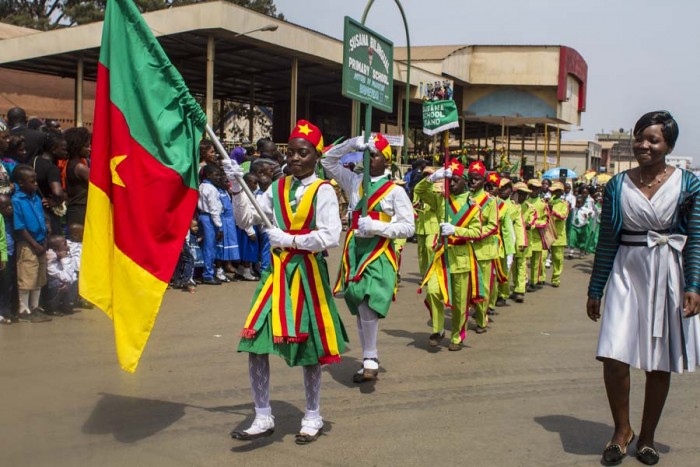
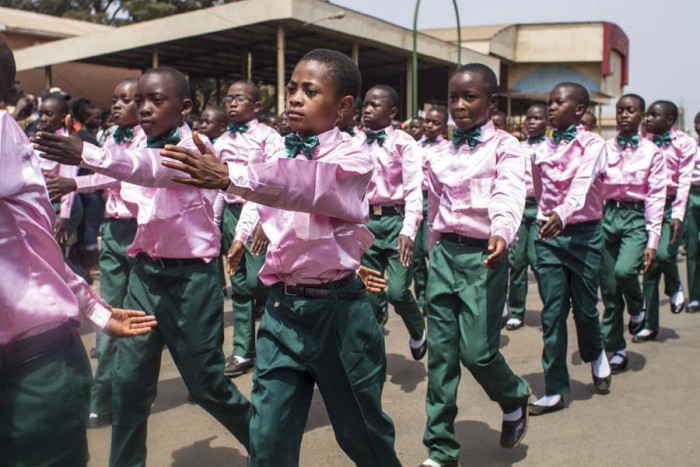
Note in this picture that these are school girls who are wearing pants. It’s a very rare sight as most girls wear dresses to school
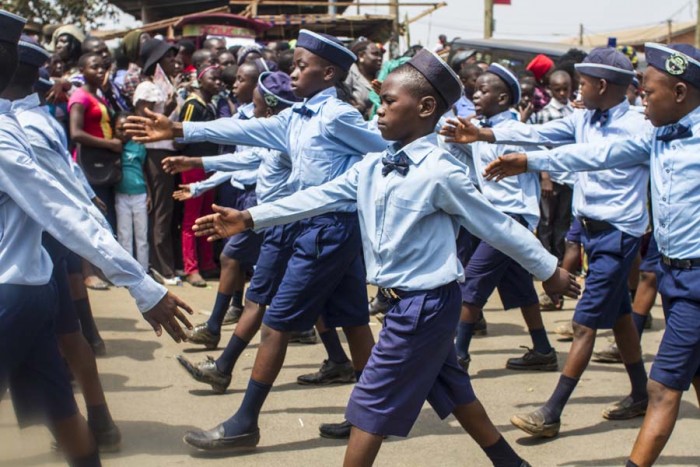


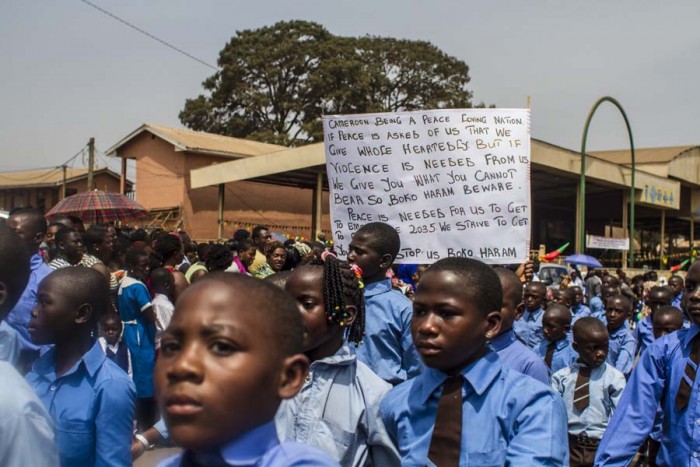
Some children used the march to raise their voice about global issues.
February 5th, 2015 by Rachel | Tags: Disability, Health, Peace Corps, Photo Essay, Photography | No Comments »
“Water has no color, smell, taste or calories, but water is a vital element for all life forms. No human, animal or plant can live without it. From elephants to bacteria, water is essential and nothing can replace it. No water means no life. The water quantity on earth is very constant. The same water that dart’s first inhabitants drank is the same we use today. It is the whole water that ever existed or will ever exist. The water on earth is on a continuous circle from oceans to atmosphere, then on the ground, river and back to the oceans. Unfortunately, in many areas, water is a scarce resource. The water crisis is getting more severe. The lack of water menaces the economy and people’s health in about 80 countries of the world. About 40% of the world’s population does not have access to clean water or hygienic conditions,” said Hilda, one of my work partners, on the radio a few weeks ago.
In the past two months, as I interviewed persons with disability, I kept hearing over and over again one particular problem — Access to water. Many of those with mobility disability can’t walk to the water pump, public tap, or well. Many can’t carry buckets or jugs as they need both of their hands to hold the crutches or maneuver their wheelchairs. Even those who are visually impaired face the obstacle too. They need to use one of their hands to hold the white cane or walking stick (Yes, many unfortunately use an ordinary wooden walking stick). Some visually impaired persons have also mentioned that they just simply can’t navigate to the water site or they face the risk of falling into wells. As a result, most persons who have mobility disability or are visually impaired have their family members get water for them or pay someone to get water. While Bamenda is considered one of the most modern city in Cameroon, this city is still many years away from being fully developed. Many homes still do not have direct water access. This is the same for many parts of Northwest – there are many homes in the region that do have direct water access but there are also many that do not have direct access.
While I have not yet calculated the statistics on how many persons with disability who do not have direct water access and cannot go to a well, pump or public tap, I can easily say that almost all of those with mobility and/or visually impairment cannot get water. Because I found this issue to be very pressing, I started the dialogue with my work partners. Through a connection of a professor at University of Toronto, I met a gentleman named Gabriel who completed his Masters in the UK and did a thesis on water and disability. I would like to quote what he said, “There is a difference between access and accessibility. There may be access to water, but is it accessible to persons with disability?” Putting direct water access into all homes would certainly be the most ideal solution. However, it would take decades before we can finally see every home having direct water access in Bamenda, even we put a huge amount of energy and efforts into pleading to the government. Thus, Gabriel and I focused on discussing how we can improve the current water access by making them more accessible for persons with disability so that they can enjoy better access now while waiting to finally get direct water access. Examples include building a ramp by the well or pump where there may be steps to get to the pump or a wall around the well to prevent those who are blind from falling into the well.
A few weeks ago, Hilda, one of my work partners, and I met a gentleman named Farmer Tantoh who is an Ashoka Fellow and specializes in improving access to good quality water to the general population. It’s important to note that he does not have any disability. We spoke on the radio together about how getting water is a huge obstacle for persons with disability, especially during dry season when water is more limited than ever. We talked about how the councils should perhaps improve access to water by sending out trucks loaded with water jugs and delivering them to the homes of persons with disability. In all honesty, I was not satisfied with this idea because it still requires reaching out to the government and making this initiative a reality would still take a long time. We have to keep in mind that like the United States, the government system in Cameroon is filled with bureaucracies although I would say the government system in Cameroon is far less efficient than in the United States.
While Farmer Tantoh spoke a lot about improving access to safe and clean water to prevent maladies such as Typhoid Fever, he didn’t have a whole lot to say on the radio about making water more accessible to persons with disability. The issue just never really occurred to him until he heard our concerns and saw one particular moment two weeks later. He invited Hilda and I to his water project site in a village, Bafut, located just outside of Bamenda. Once we arrived at the water site, we immediately noticed a major problem. Hilda could not get down to the water site as a wheelchair user. We were standing next to a huge deep crater. The water faucet which we would call the community tap was located at the bottom of the crater. The only way to get to the bottom was to take the stairs which was beautifully constructed with concrete. Hilda had to stay behind at the top and miss the opportunity to see the community tap and also the whole system of how the water reaches to the faucet. While it was unfortunate that Hilda couldn’t come down the stairs, it was an opportunity for Farmer Tantoh to finally think about ensuring that water access is accessible to persons with disability when working on future water access projects. It also led us to discuss about how we can improve the water site we were visiting. He shared that he just received some private fundings and will use the funds to implement a solar pump to bring the water to a faucet at the top of the hill so that all persons with disability and also elders with limited mobility can access water.
This past Tuesday, Farmer Tantoh was generous enough to invite me to see another water project that he is currently working on. He took me to an area in Bamenda called Kwen. Once we arrived by a moto bike to the community which was packed with poorly constructed homes, Farmer Tantoh led me up the poorly built stairs and then up through very rocky steep hills. There are were a couple moments when I had to place my hands on the rocks as I climbed up the steep hills to make sure I didn’t slip and fall. Then we walked through a winding path to get to the water site. It was like hiking on a mountain. Once we arrived at the site, I noticed how there were no water faucet but a pipe with water continually spilling out from a spring. So much water was being wasted. This is why Farmer Tantoh is after all choosing to help fix the infrastructure of this water site. He explained to me that he is going to work with the people in the community to construct a new system including a new faucet so that water could be stored underground when the faucet is not turned on. This is especially an important fix because during the dry season, water dries up easily and so, storing water is crucial so that when there is no water coming out of the spring, they can still get water from the storage.
However, in all honesty, I was more depressed by the accessibility to the water site than water being wasted. In my mind, I kept saying, “Wow! Wow! Wow! No wonder why so many people with disability say they can’t get water.” I was fully realizing for the first time how pressing this issue is for the disability community. In fact, I said to Farmer Tantoh, “Getting to this water site is concerning not only for persons with disability but for all persons without disability. Imagine during rainy seasons when the path is muddy and rocks are slippery. Can you bet how many people have likely fallen on this path?” Farmer Tantoh agreed and said, “I’m sure many have fallen and gotten hurt.” Then I mentioned to him that I’m sure some people may have become disabled as a result of falling on the pathway. Not to mention, all the people who get water are carrying big jugs and buckets that hold gallons of water. Walking on steep and slippery hills with heavy buckets and jugs is not only challenging but also very dangerous.
I also learned that people come from homes as far as at least one kilometer to this particular water site because the water is clean and water is often available when water is out at other sites. I met a gentleman at the water site who lived about a kilometer from the water site and was carrying two six gallons jugs of water. I sat for about 15 minutes at the water site to observe. It was at about 9 AM in the morning, and it was very busy. There were a number of people waiting for their turn to get water.
Unfortunately, there are no funding at the moment to improve the pathway to the water site. However, I have put Farmer Tantoh, Gabriel and Hilda in touch via e-mail to discuss this situation to see if funds could be raised to improve the pathway to the water site and they could collaborate together to improve water access for persons with disability.
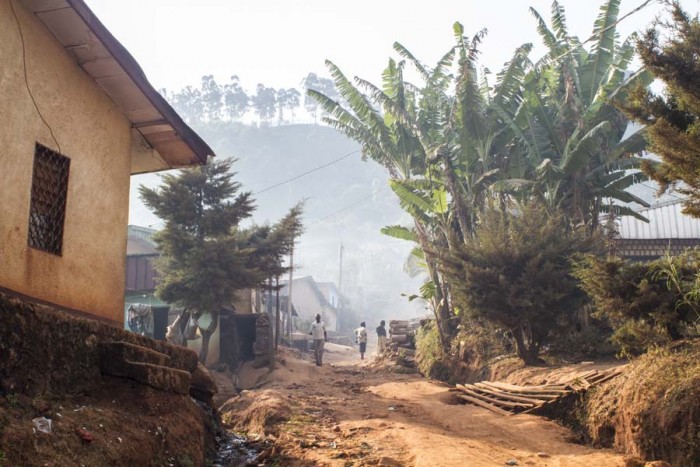
A pathway leading to the water site in Kwen, an area in Bamenda.
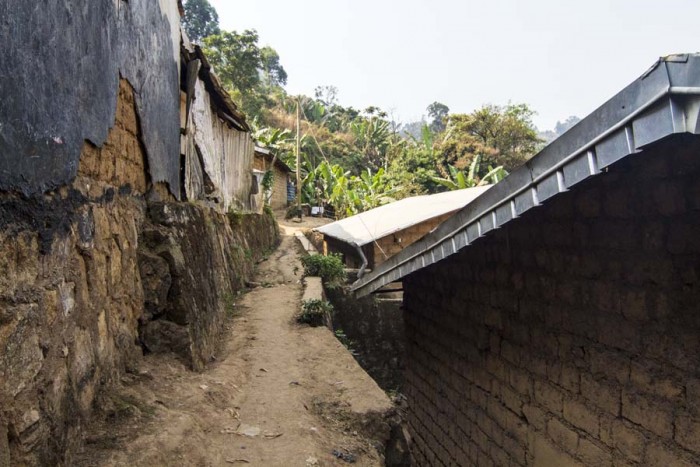
A pathway leading to the water site in Kwen, an area in Bamenda.
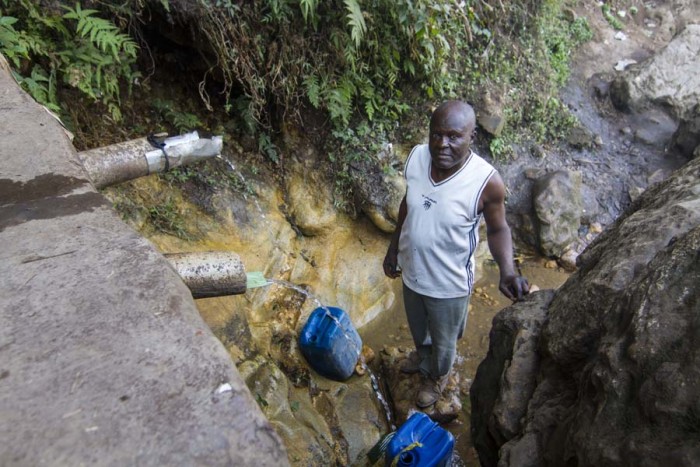
A man fetches water from the water site in Kwen.
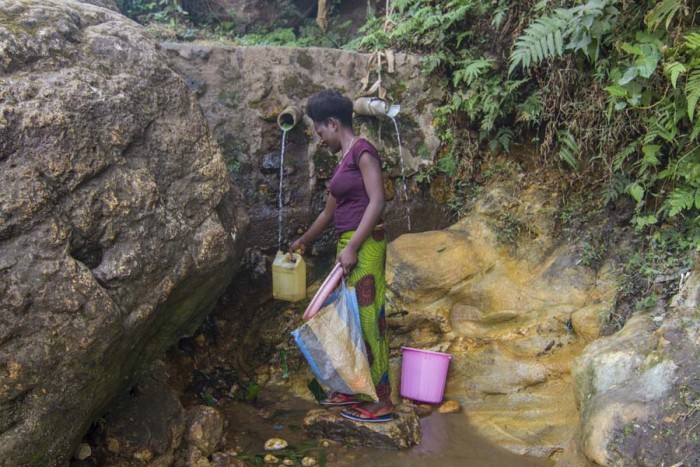
A woman is fetching water from the water site in Kwen.
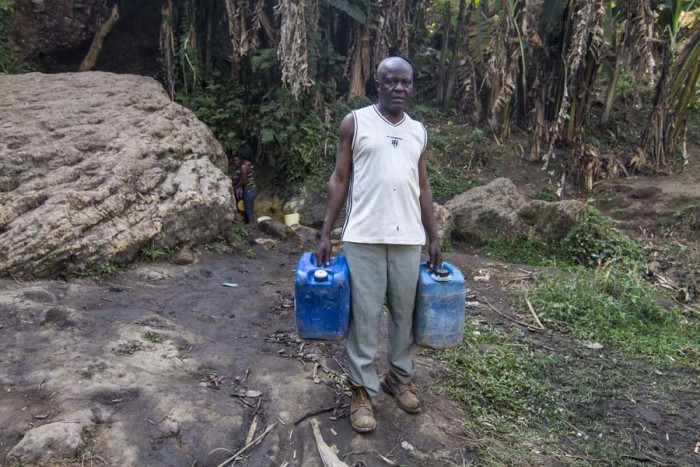
A man carries two jugs that carry about six gallons of water in Kwen.
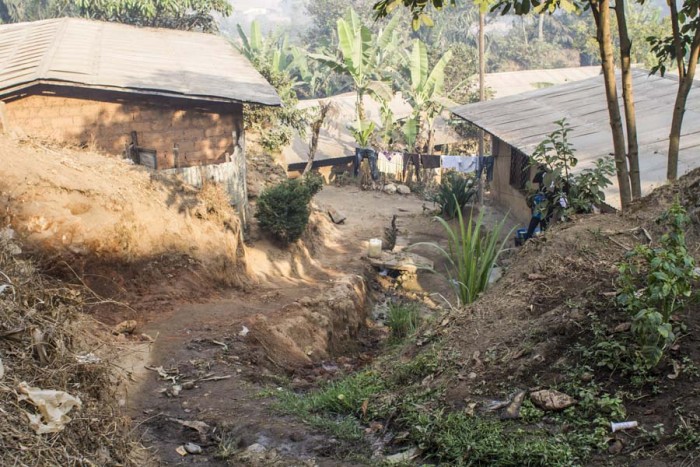
A pathway leading to the water site in Kwen, an area in Bamenda.
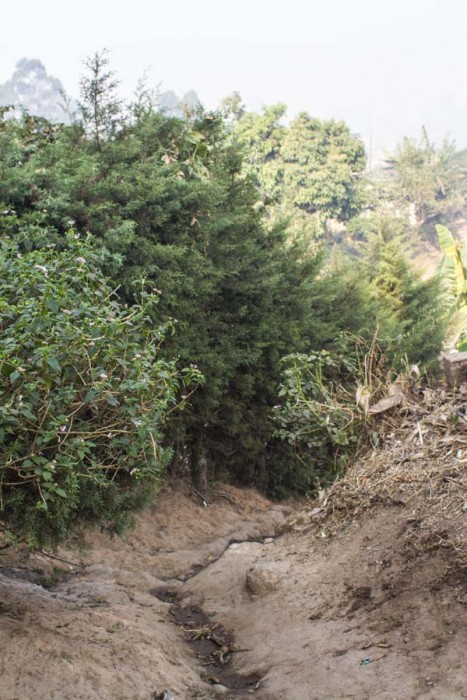
A pathway leading to the water site in Kwen, an area in Bamenda.
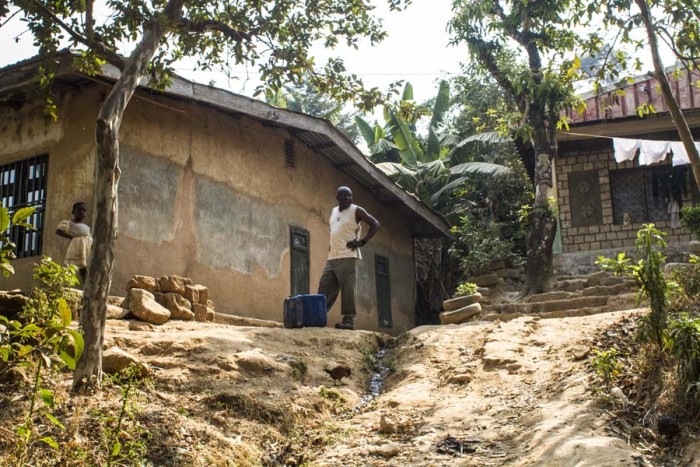
This man walks at least one kilometer to the water site to get water.
January 27th, 2015 by Rachel | Tags: Disability, Health, Hearing Loss, Peace Corps | No Comments »
When I met with a director of a school for the deaf in Bamenda, she said to me “If we could have [cochlear implants] in Cameroon, it would solve so many problems.” While I agreed fully that cochlear implants would make a huge difference in the lives of many deaf people, I never fully grasped and understood how many challenges deaf people faced in Cameroon. Yes, I am deaf but because I have the fortunate to hear with cochlear implants, I have faced too few challenges and thus, I have not been able to fully see how people with no hearing live. The only real challenge I face besides asking people to repeat what they said and misunderstanding from time to time is asking my Cameroonian work partners and friends to text me when I can’t understand them on the phone due to using a very bad quality and cheap $30 phone and their thick accent.
In the past two weeks, I have interviewed a number of deaf people and parents of deaf children for my Community Needs Assessment.
When I interviewed a mother of a 24 year old deaf son, she told me that her son struggles to shop for food. She explained to me that he can’t communicate with vendors to negotiate the price and ask how much food he wants to buy. I never once realized that shopping for food could be a challenge in Cameroon. The challenge just didn’t occur to me. Unlike her son who communicates in American Sign Language and uses no amplification devices, I have the fortunate to be able to communicate and understand the spoken language with cochlear implants. In the United States, every food is labeled with price tags and when we go up to a cash register, we can see the total cost on the computer screen. Therefore, there is no need to worry about whether or not we are paying the right amount. There is no negotiating involved. This is not the case in Cameroon. Price tags don’t exist on food except in a very few number of shops. We have to ask the vendor how much we want to pay and negotiate the price.
However, when interviewing many students at another school for the deaf, some said that they can still shop for food on their own as long as they have paper and pen to be able to write what they want to say. Some others who have their parents shop for food simply because it’s their parents’ responsibility said that they still do not have the confidence to shop for food on their own. One deaf student pulled out cards from her pocket. These cards had writings of places in the city. She explained to me that her biggest barrier is communicating with taxi and moto bike drivers and telling them where she wants to go. Many taxi and moto bike drivers are illiterate and can’t always read the name of places. Some deaf students said this is the same case if they write what food they want on a piece of paper as many vendors are also illiterate.
Like hearing aids and cochlear implants, sign language most definitely has tremendous financial barriers for parents. Even though one school for the deaf does offer sign language classes for parents, almost none of the parents will learn sign language because they cannot afford to leave work and lose money from the hours they work. Keep in mind that most Cameroonians are poor or middle class, and so, even when they work full time, they are still already financially stressed. When they are not working, they are spending time doing household chores such as cooking, cleaning and doing laundry. Keep in mind that washers and dryers are almost non-existence in Cameroon.
The two schools for the deaf I visited use American Sign Language, not any other type of sign language. This is because the teachers at both schools were trained by people from the United States. However, the American Sign Language is a little modified to accommodate words that do not exist in the American culture such as “baton de manioc” and “koke,” Cameroonian food.
All of them didn’t learn sign language until between ages five and eight years old when they first started going to the school for the deaf. Most of them were born profoundly deaf or became deaf before they started speaking and so, that means that they had no language until they went to the school for the deaf. I noticed that those who started sign language later struggled to understand some questions and express themselves. For example, when the interpreter signed to a deaf girl, “Do you wish that your family knows sign language,” the girl didn’t understand the question. The interpreter than changed the question to, “Will you be happy if your family knows sign language?” The girl finally understood the question. I asked the teachers if they noticed that those who started signing later in life have greater language skill problems and their response was, “Yes.”
Almost all of the deaf students who I interviewed at one school for the deaf said that they feel lonely and sad at home because their parents and other family members do not know sign language. Their family members create their own hand gestures to do simple communications. Some also communicate by writing on paper. They all do say however, that they do wish that their parents and family members would learn sign language or they could be able to hear and speak because they feel so left out of conversations. One girl comes to school crying often because her family treats her badly. A boy didn’t attend school for three months because he wanted his father to see that he has a problem and get him to help him. He also said that he prefers to go to the forest to sit and look around the environment because he feels lonely at home. Another said that she wishes that she could join her siblings when they play with their neighbors. Another girl said that her family gets angry at her when she studies at home. I visited one home of a 16 year old deaf child and the mother showed me a small poster that her deaf son put up, which displays the sign language alphabet so that his family can learn them to communicate with him.
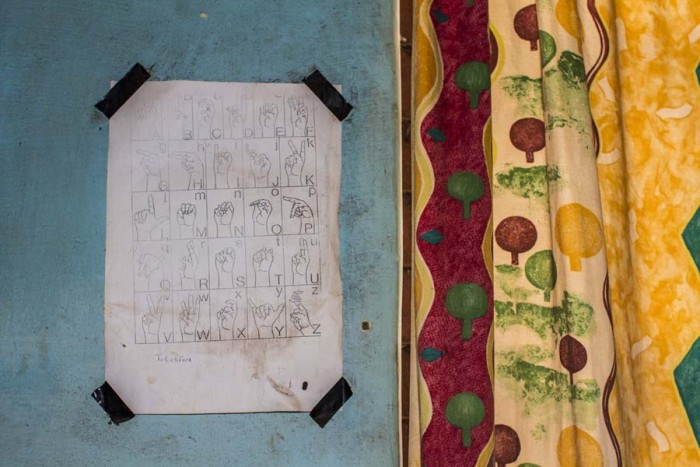
A deaf child hung a sign language poster on the wall of his home so that his family can learn sign language.
However, two girls said that they don’t feel lonely because their sisters know ASL by learning it from a textbook. Another girl did mention that her sister did learn ASL by attending classes at a school for the deaf, but her sister is now in England and studying. So, at the moment she is feeling lonely and sad.
Almost all of them do not know their family’s local dialect. In Cameroon, almost every ordinary Cameroonians know a local African language and speak it at home with their families and neighbors. But they all do know grammar English as they learn it in school. Some also know French as schools for the deaf offer French classes.
A few said that they would like to go to a university but can’t because there are no sign language interpreters at universities. One student at the school is 26 years old, and I asked him why he is still in school. He told me that he wanted to continue to learn.
This same 26 year old deaf student said that he wants to go to America because he believes that he would be able to go to a hospital and be able to hear and speak again. He was born with normal hearing and became deaf likely from meningitis at the age of 10 years old. He still had speaking skills. He also told me that he has hearing aids but they have been sitting in the “repair room” at a school for the deaf for many years. He has been asking to get them back, but they keep telling him that he will eventually get them back. He said he wants them back because lipreading is easier with hearing aids.
None of the deaf students I interviewed wore hearing aids. Most of them have never tried them because they cannot afford them. I asked them if they could afford to buy them, would they like to try them. They all said, “Yes.” One in fact made a big facial expression showing that he really wanted hearing aids. A 22 year old girl said that she wants to have an operation to hear. It’s important to note that she was born deaf, has no lip reading or speech skills, and never wore hearing aids. I couldn’t bear to break to her that it’s not an option even if money was not an issue. The reasons is because research studies have shown that deaf people who do not get cochlear implants until many years after they were born deaf or they became deaf before starting to speak cannot use the technology successfully because the brain has hardened to the point that it has no flexibility to learn to hear and understand speech. She also said that she wants to live in a society where she can communicate with everyone.
When I asked one deaf student if his grade level is average, above average or below average, his response was, “Average but I’m not intelligent.” I responded to him by saying, “You are still intelligent. It’s only your ears that don’t work.” He also told me that he worries that he will not be able to get a job because he can’t communicate with hearing people. I told him that he will be able to find a job if he focuses on finding a job that can utilize the skills that he has.
Another mentioned to me that one of his biggest challenges is not being able to hear the radio and television and also not dance well because he can’t follow the rhythm.
Many shared that they struggle to navigate the roads because they fear that they will be hit by cars and motorcycles as they can’t hear them driving by. A number of them have actually been hit by moto bikes and cars because they didn’t hear them passing by and have been taken to the hospital due to the accidents.
Listening to their stories about the challenges they face as deaf people, especially in the homes with their families was honestly breaking my heart, but I really appreciated their honesty and openness. One of the stark differences I noticed between communicating with many deaf people who primarily communicate in sign language in the United States and Cameroon about challenges is that deaf people in Cameroon so badly want to hear while a number of deaf people in the United States choose to oppose cochlear implants and listening and spoken language. Many deaf people who primarily communicate in sign language in the United States prefer to live in deaf communities instead of integrating into the wider population.