November 13th, 2015 by Rachel | Tags: Peace Corps | No Comments »
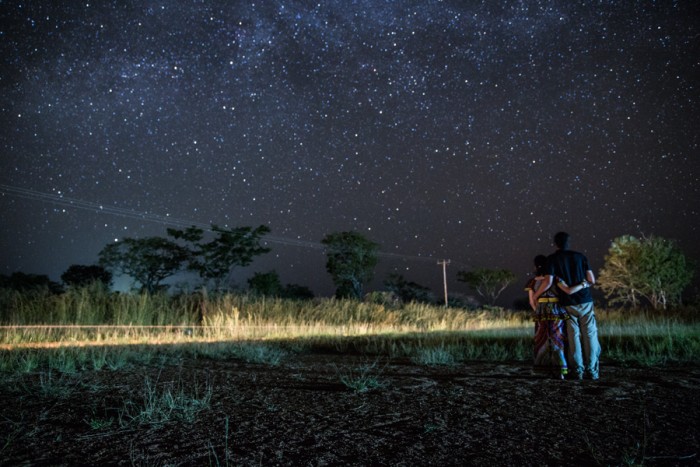
I’m currently in Mbakaou, a village in southern Adamawa, visiting Alex’s post for the very first time (finally!!!) to collaborate a project with him.
Alex and I both have been stargazing for the past two nights. It’s been a few years since I have been in a countryside where I could see stars. Even though I can’t see stars as well as those with normal vision, I was still very relieved to be able to still see them even though most of them were very very dim. But as long as we keep funding the research for a cure for vision loss, I am sure that I will regain the vision to see the stars very well again one day.
More details to come on Alex and my collaboration project and life in Mbakaou.
November 9th, 2015 by Rachel | Tags: Peace Corps | No Comments »
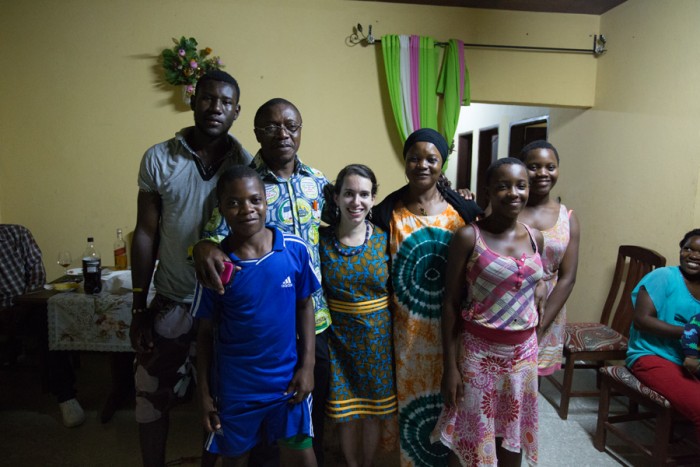
About two months ago when I learned that I would be returning to Mengong where I lived for the first two months in Cameroon for training to give a presentation to a group of new volunteers who arrived in Cameroon last September, I immediately informed the host family with whom I stayed in Mengong that I would be seeing them again. They responded right away with excitement.
Yesterday, when I arrived in Ebolowa, a bigger tow about 30 minutes from Mengong where some of the training took place last year, one of my language instructors came to me and said, “Have you let your host family know you’re here? Your host family has been asking me for the past two weeks when you’re coming.”
Today, as soon as I arrived in Mengong, I immediately saw my host mother who happened to be at the training center. She and I greeted each other with a big hug and smiles. She immediately told me that she was inviting me over for dinner. I told her that I couldn’t stay for dinner but I could do lunch with them because I was spending the night in Ebolowa and Peace Corps would only take me back there right after I finished my presentation. She said, “We’ll take you back to Ebolowa.” I couldn’t say “no.”
Right after giving my presentation, I walked to my host family’s home like as if I was still living in Mengong and I was just a trainee yesterday. I remembered my way there. Once I arrived, the children came out greeting me. It was moment where I felt like I was Maria when she returned to the Von Trapp family after having gone back to the Abbey in the Sound of Music film. All children are doing well. Riki has grown a lot in the past year.
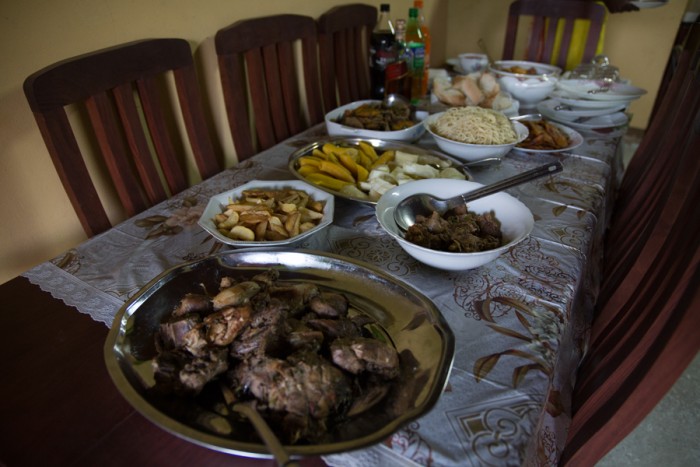
They went over the top by having a huge dinner feast. I have never seen them cook so much food for one meal.
By reuniting with my host family after having not seen them for a year since I swore in as a Peace Corps Volunteer, they reminded me how to be a Peace Corps Volunteer – focus on building meaningful relationships and realizing that people will remember you for how you made them feel, not what you gave them. My goal for my last year in Cameroon is to really focus on continuing to build relationships with my Cameroonian work partners and community members by educating them about health issues and making them feel empowered to educate others and be change agents.
Yes, my host parents did drive me back to Ebolowa. It was so kind and generous of them to do it.
November 6th, 2015 by Rachel | Tags: Peace Corps, Sustainability | No Comments »
For many years, I ran a successful blog on cochlear implants and hearing loss. About eight years ago, a mom who was born deaf contacted me by e-mail through my blog. She recently gave birth to a son who was also born deaf. The mother never received a cochlear implant and she primarily communicated in sign language but she led a very successful life. She told me that she learned to play a flute, was a figure skater, received a bachelors and masters degree, and is currently teaching. She then said that she felt that if she could hear, she could do so much more. When she first learned that her son was deaf, she made no plans to get him a cochlear implant because of misinformation she received from the culturally deaf signing community. Cochlear implants are dangerous and cause headaches and electrocution and they do not work are examples of myths that are often heard. However, she then came across a story I posted on my blog about a mom who was also born deaf and was raising two deaf children who were doing very successful with cochlear implants. This blog post made her realize that cochlear implants do work very well and are very safe. She asked me to connect her with the deaf mother of the two deaf children. I put the two in touch.
Her son received bilateral cochlear implants one year later. Seven years later, her son is speaking and hearing beautifully without lipreading. His language skills are above average. He has been attending mainstream school. He loves to play a guitar and listen to music.
About two years ago, a woman contacted me through the blog. She said that she had lost a significant amount of hearing. While she was able to use hearing aids, she still struggled to communicate with other people. She said that hearing difficulties was putting strain on her relationship with her family and friends. She consulted two cochlear implant surgeons who would not qualify her for cochlear implant because she could still hear with hearing aids. She asked me for tips on how she could convince them to still be qualified for a cochlear implant. I gave her a name of another cochlear implant surgeon in her town and advised her to get a third opinion. Several months later, she contacted me and informed me that the third cochlear implant surgeon whom she contacted qualified her and that she has received a cochlear implant. She said that she has been hearing so much better and noticed a remarkable difference in the quality of her life.
These are just a couple examples where by providing knowledge to other people, lives have been changed. I have often found that when I am able to change one person’s life by simply providing information, it is the most gratifying feeling. This is why as a Peace Corps Volunteer, I have made a choice to focus on just sharing information with hopes that at least a few people’s lives will be changed. We should never underestimate the power of sharing knowledge. It’s important to note that while I can do so much to reach out to as many people as possible with new knowledge for them, they have to do their part by being motivated to use the new information and apply them to their life and community. However, sharing information and seeing people using the new knowledge does really take development much further than building something for the community. Change also may not be instant, but as long as we have patience, we can eventually see them many years later.
I often tell people in my community, “You need to be able to do this work yourself. Who will be able to continue the work when I leave in October 2016? You can’t count on another volunteer coming.”
November 5th, 2015 by Rachel | Tags: Peace Corps, Sustainability | No Comments »
About a year ago when I visited a Peace Corps Volunteer’s post, two Peace Corps Volunteers who were about to finish their service proudly showed me the new water pump that they just built at a local primary school in their village with the funds that they raised by themselves. They also built a hand washing station. I also had the opportunity to watch them teach students at the school about the importance of washing their hands especially before eating. The purpose of the project was get children to wash their hands before eating. When seeing the project, I remember thinking, “This is great, but will their behaviors be changed?”
I recently asked a Peace Corps Volunteer who is now living in the village if the water pump is being used. She told me that both the water pump and hand washing station have been sitting unused and collecting dust.
Even if the water pump and hand washing station were both being used, who would be maintaining them and fixing them when if they become broken?
I have been hearing stories from some volunteers that the locals have been upset with them for refusing to give any items to their communities unlike some volunteers who worked before them and has given communities things such as wells, water pumps and solar lamps. Many of us including myself have been faced with the situation of constantly being asked for money. I have had to explained a number of times that my role as a Peace Corps Volunteer is to teach the community about health, not bring in money. It did get frustrating.
When other volunteers and I are faced with the situation where we are expected to give the community something, I often wonder if the long history of charity and missionary workers who came to developing countries and handed out money and items contributed to the problem.
While Peace Corps has a policy that no volunteer can give any money to any locals, many of us volunteers also choose not to build something for the community such as wells, toilets, and libraries and give them something such as solar lamps and books. While charity and missionary workers do have good intentions, cases studies have shown that when they give out money and items, the results show that they do not create long lasting effect and there is no happy ending. A colossal amount of money goes into waste. Donated hearing aids have ended up in the drawers after two weeks of use. More than 150,000 water pumps in Africa have been abandoned due to poor maintenance. Mosquito nets have been used for fishing instead of preventing malaria.
My counterpart, Ruth, said some very powerful words to me one day several months ago that really defines well the role of Peace Corps Volunteers, “When I was growing up, I always saw Peace Corps Volunteers as teachers.” She is so right. We, volunteers, are just simply educators, whether we work in health, agriculture, or economic development. Education creates a much greater lifelong impact than many can realize. The famous quote, “Give a man a fish and you feed him for a day; teach a man to fish and you feed him for a lifetime,” does really speak the truth about how international aid development should normally work. If the locals want a well, we should teach them how to build it so that they can not only continue to build them by themselves when we leave the community but also teach other locals how to build them too. If the locals ask for solar lamps or mosquito nets, we should teach them various income generating activities so that they can generate their own incomes to be able to pay for the solar lamps and mosquito nets themselves.
If I could give one advice to any new volunteers who are about to start their Peace Corps service, I would like to ask them to be humble and not be so focused on choosing projects that would make their resume look good. I would instead focus on educating the locals on what they truly need and want to learn to be able to help improve the life of everyone around them.
October 30th, 2015 by Rachel | Tags: Disability, Peace Corps | 4 Comments »
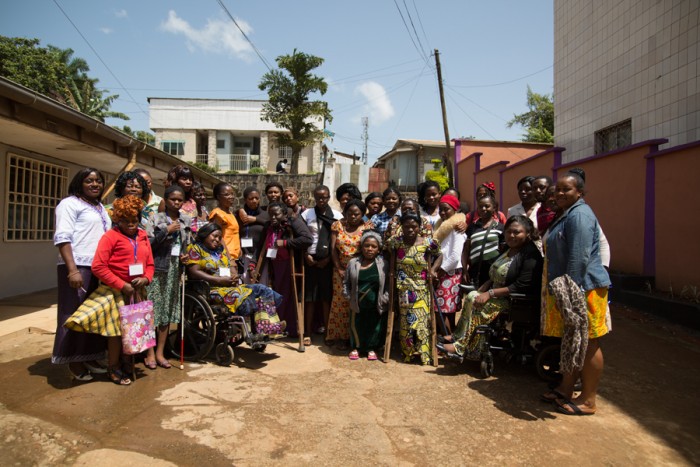
Ruth, my counterpart, who participated in Mobility International USA’s leadership program, Women’s Institute on Leadership and Disability in 2010, had the opportunity to apply last year for a grant provided by Mobility International USA (MIUSA) and USAID. She was awarded the grant which gave her the opportunity to return to the US this past June. When she was in the Eugene, Oregon, she received training on how to host her own workshop in Cameroon for women with disabilities to teach them to be empowered to be leaders in their communities. When she returned to Cameroon after two weeks of training, she received funding to host the workshop, which happened this past Wednesday to today, in Bamenda, the capital of Northwest region.
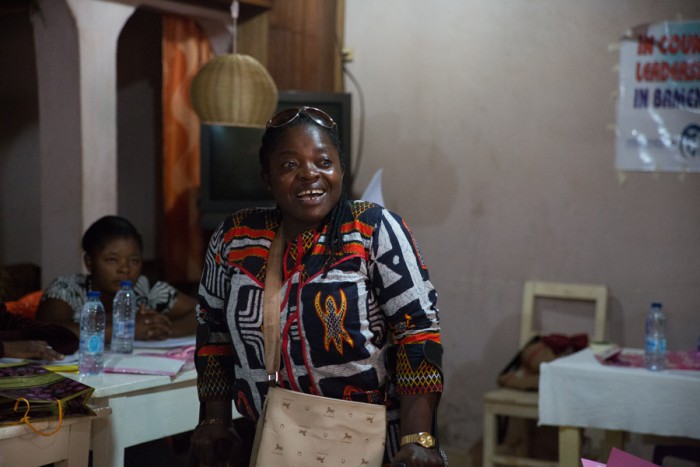
Ruth leads the workshop.
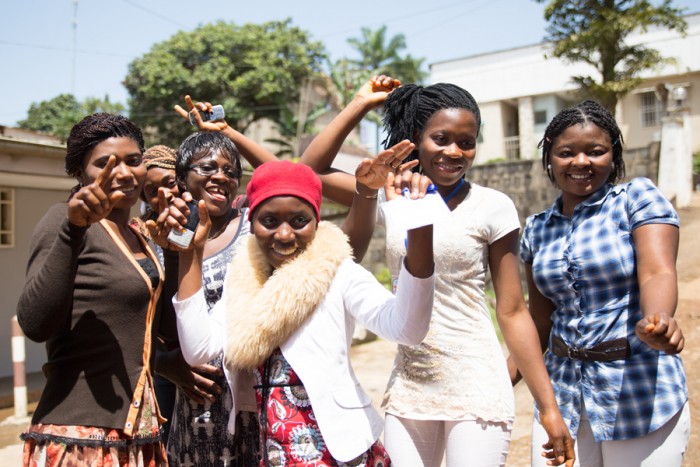
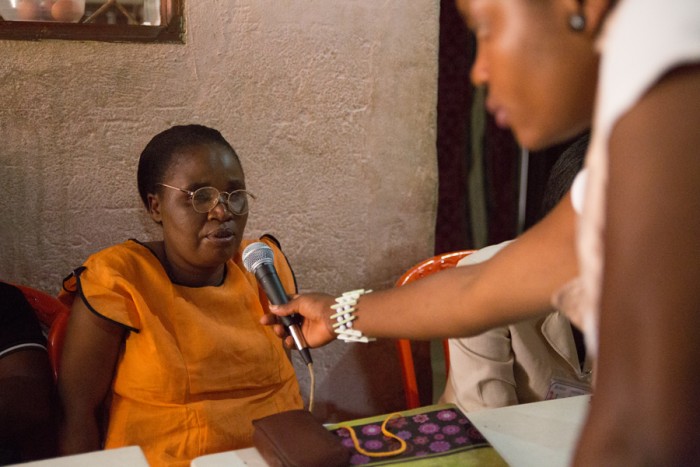
The workshop trained 20 women with disabilities to become more empowered to advocate for their own legal rights, health and education and to inspire other women with disabilities to do the same. Various speakers from all over Bamenda shared many invaluable information. Hilda Bih, a 2014 Mandela Washington Fellow and wheelchair user, trained women to take action on making policy changes in their communities so that more places can be accessible for everyone. A healthcare worker from a local hospital talked to them about services available to women with disabilities. A speech language pathologist who happens to be from the US and is working at a hospital and school for the deaf for two years in Cameroon spoke about the importance of diagnosing deaf children early and getting them into schools for the deaf as soon as possible so that they can learn the language. A representative from a local women’s organization talked about domestic violence. Two blind men from a local disability organization talked about the importance of ensuring that disability laws which exist in Cameroon are enforced. A mother of a child with down syndrome gave an inspiring speech about inclusion and how persons with disabilities are fully capable of being educated. Ruth taught them how to create action plans. We also did a beauty show where a make up artist was invited to put make up on women to spread the message that women with disabilities are just as beautiful as anyone else. For many of the women with disabilities, it was their first time wearing make up!
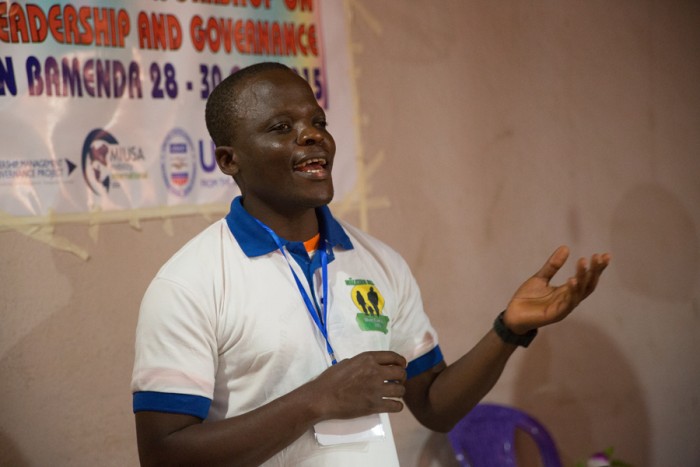
Samuel, president of Coordinating Unit of Association of Persons with Disabilities, talks about policies for persons with disabilities.
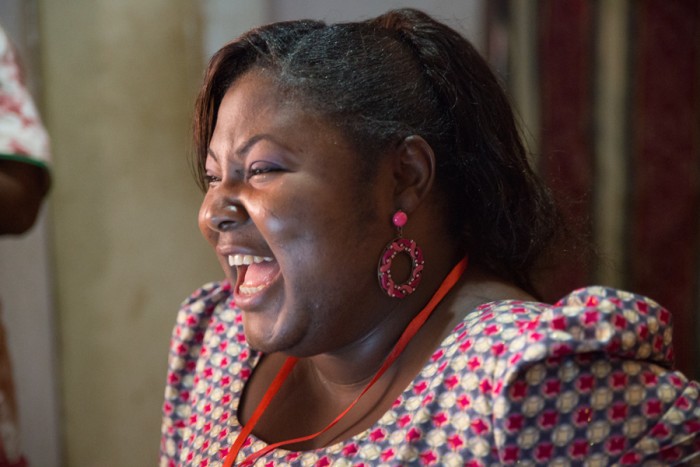
Hilda, a 2014 Mandela Washington Fellow, teaches women to advocate for policy changes.
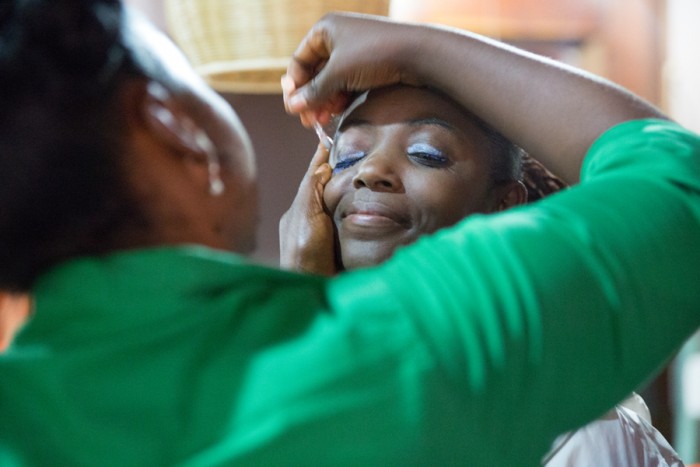
Women with disabilities learn to appreciate their physical appearance by putting on make up.
I gave a presentation on HIV prevention. When I asked them what are the causes of HIV/AIDS, I was surprised to learn that they believed in some of the myths such as people can become infected with HIV from sharing clothes with those who are infected with the disease and also sharing hair shavers. Not one mentioned anything about mother-to-child-transmission. I thoroughly explained to them that while 70 percent of HIV cases are cased by sexual contact, 10 to 15 percent of cases were caused by being breastfed by a mother infected with the disease. I also explained that transmission can also occur just before and during labor and delivery of the baby. While one participant said that HIV is caused by having sex with more than one partner, I clarified that even if you have sex with one partner, you can still be in risk for HIV because that one partner could have the infection. The partner could have infection by previously having sexual contact with another infected person or from an HIV-postive mother through breastfeeding or pregnancy. I received interesting questions such as “Is it possible for an HIV-positive partner to still have children?” I told them most definitely and while I told them about in-vitro fertilization as one of the options, they were not familiar with it because it’s not available in Cameroon. They also asked if those who are HIV positive can still live a fulfilling life, which I said most definitely “Yes!” and told them about the anti-retroviral therapy (ARV).

Thanks to Hilda Bih who happens to also be a journalist, we also broadcasted the workshop live for one hour. As Hilda led the show, the women shared what they have learned and hope to do when they go back to their communities.
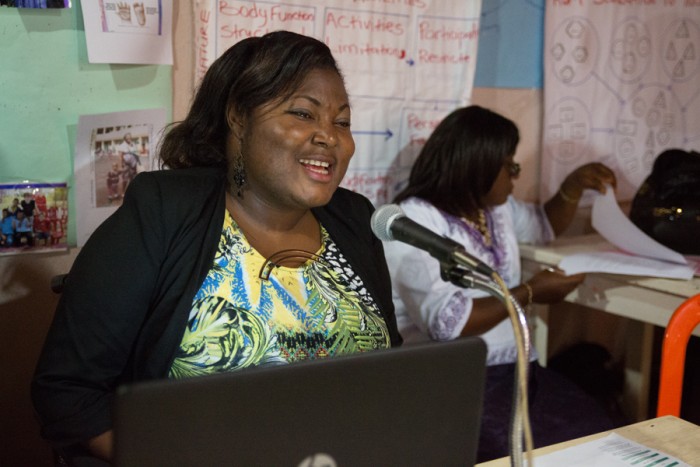
The women immensely enjoyed the workshop and felt that they have become more empowered to do more advocacy work to improve the lives of women with disabilities.
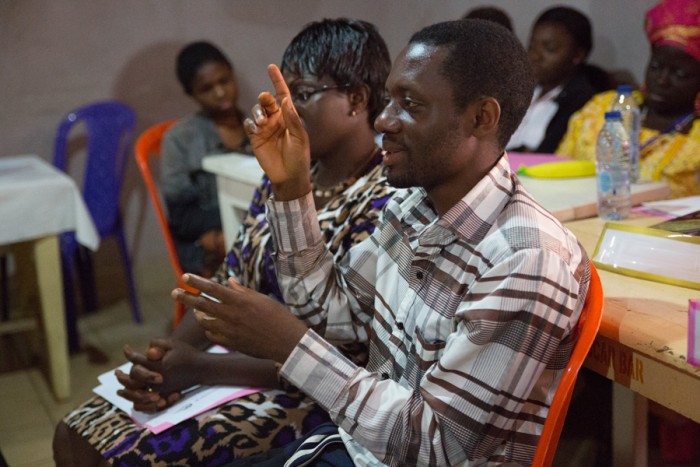
An interpreter signs for six deaf participants.
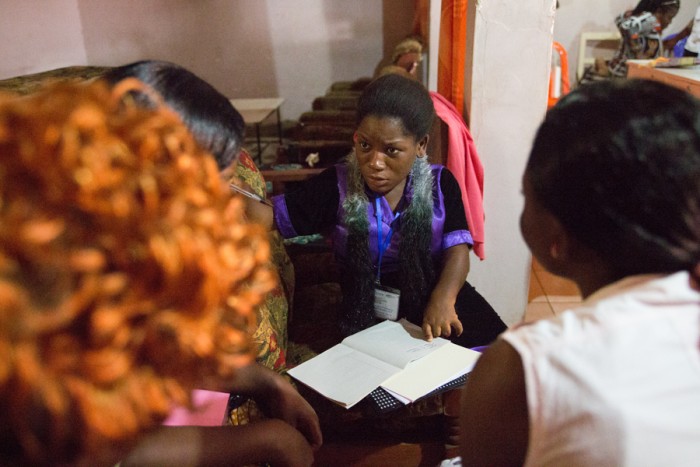
A group of participants discuss what they learned about legal rights.
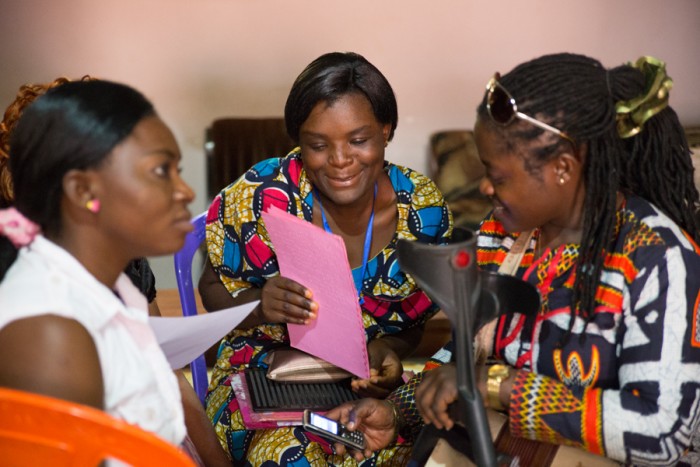

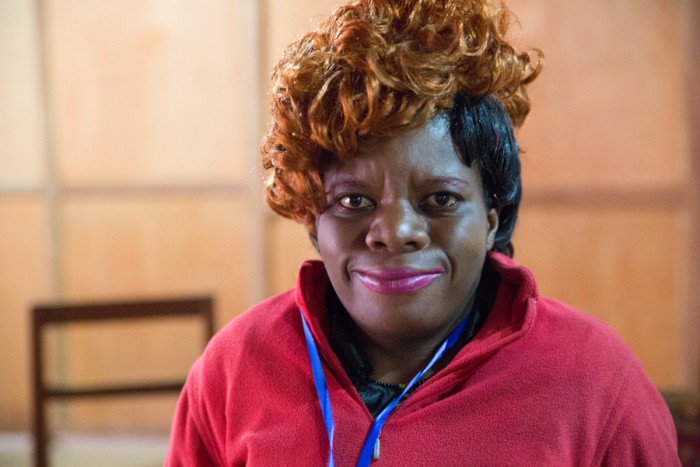
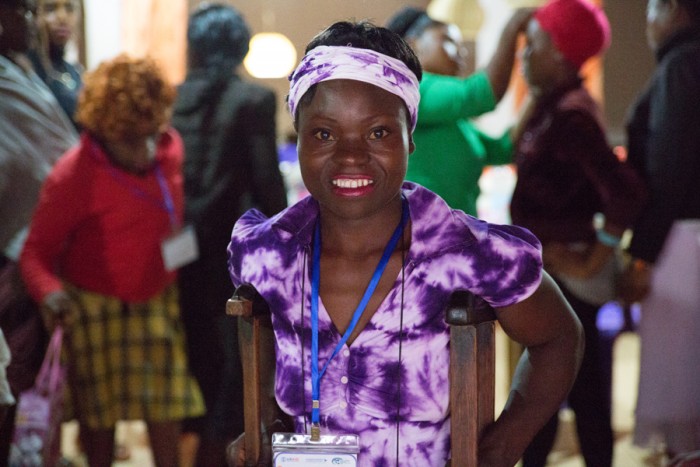
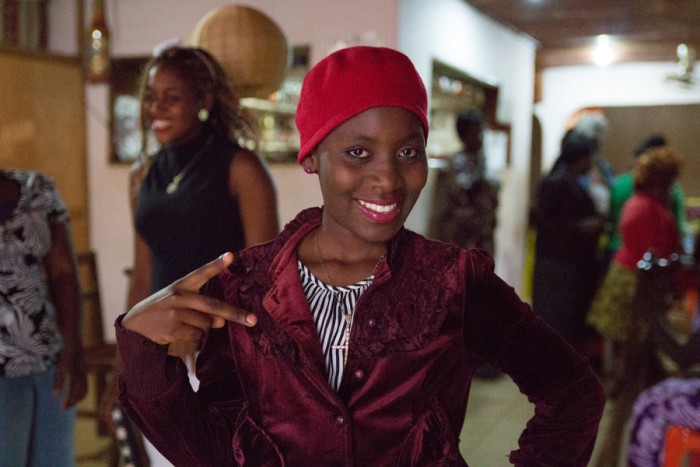

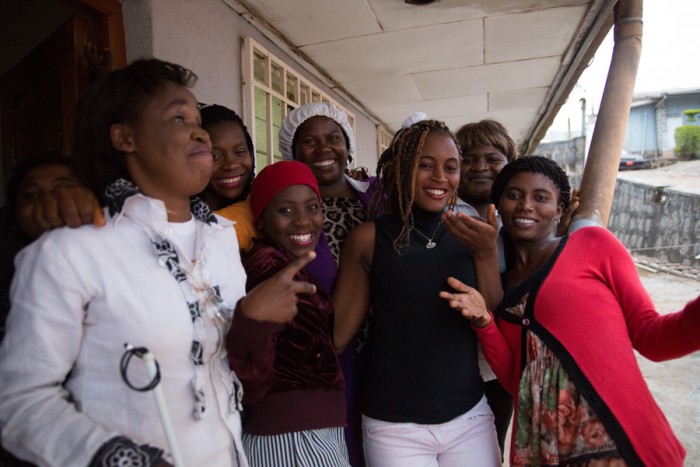
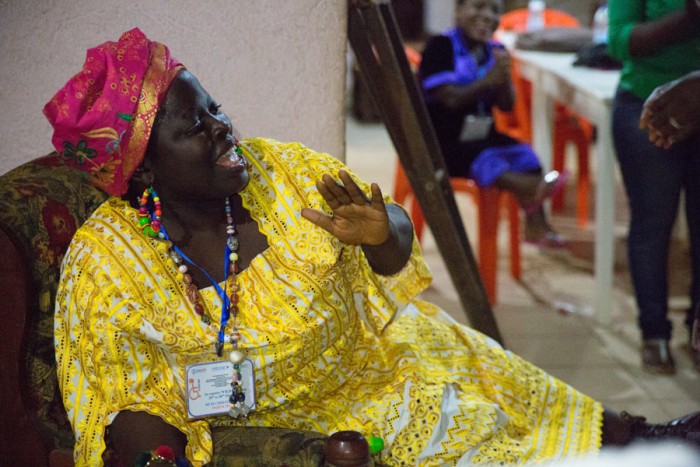
The workshop was not without music!
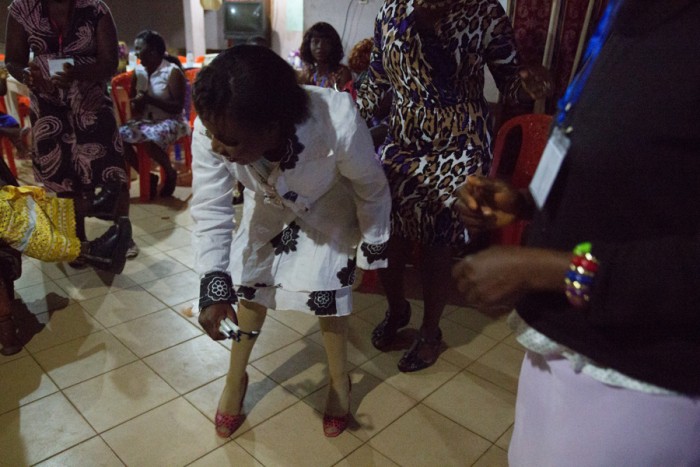
There were certainly some dancing!

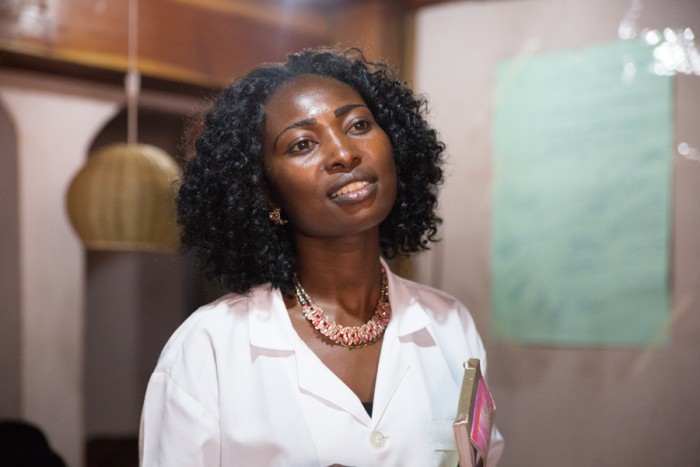
A healthcare worker from a local hospital talks to them about services available to women with disabilities.
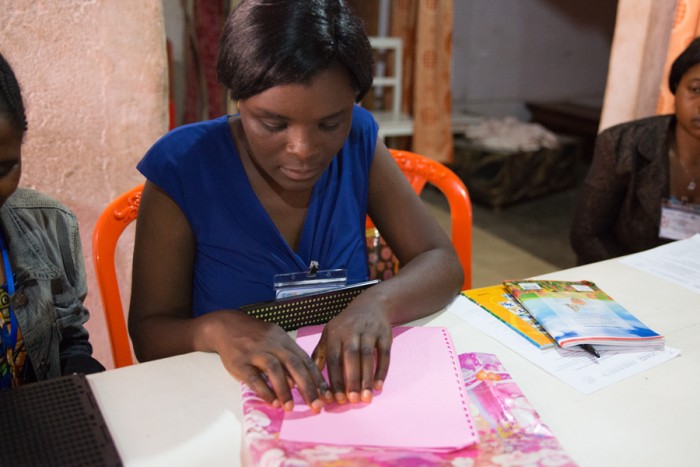
A blind woman reads the workshop agenda in braille.

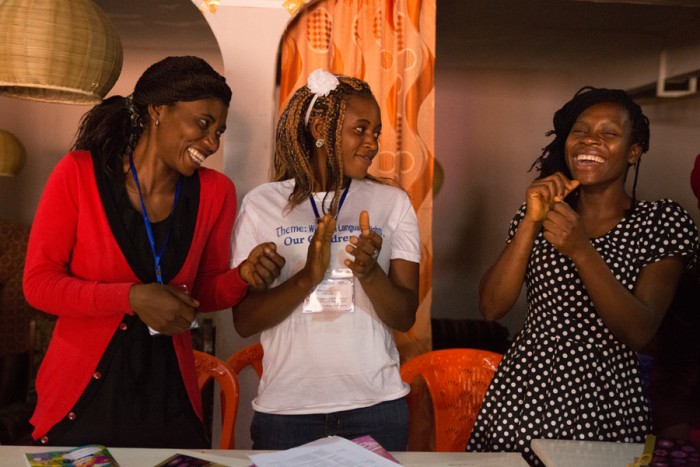
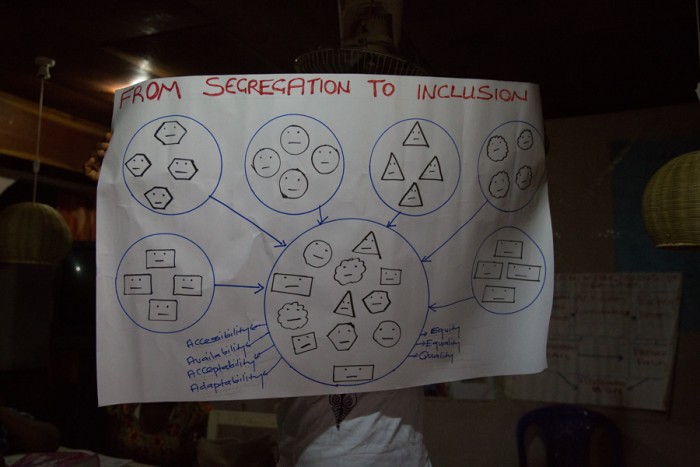
Participants learn about the importance of inclusion in education.

Participants enjoy sharing their insights about disability advocacy on the radio.

Ruth and Hilda, the two women with disabilities who make up a very powerful force, make positive changes in their disability community.
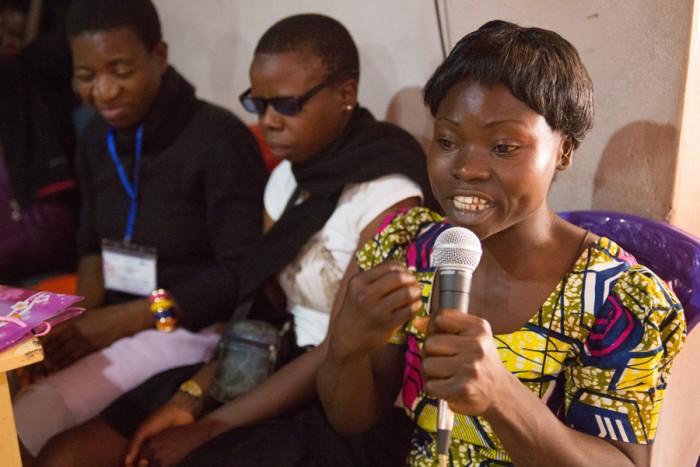
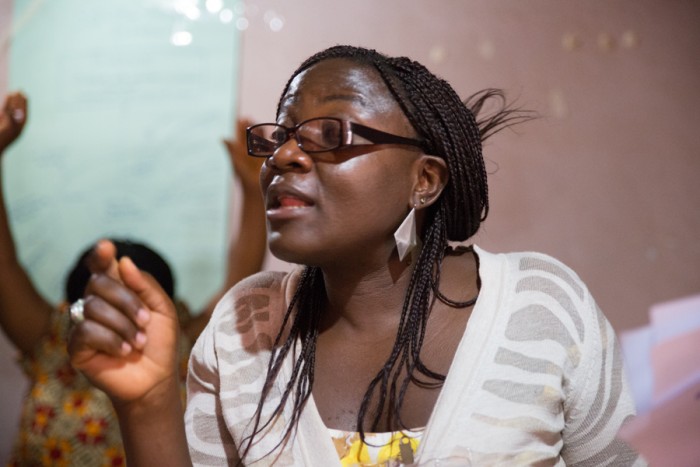
A mother of a child with down syndrome gave an inspiring speech about inclusion
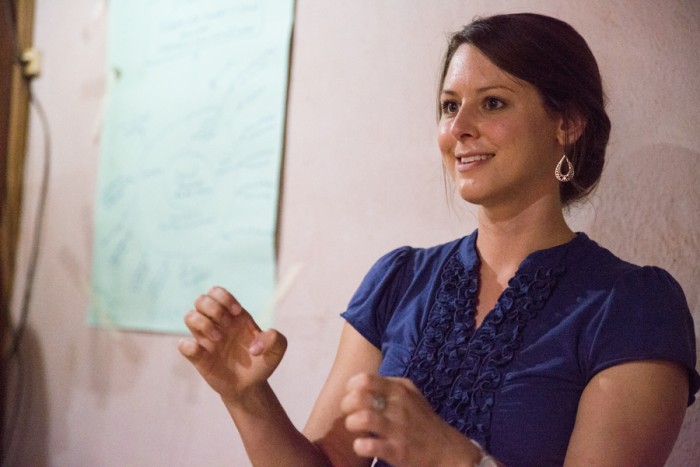
A speech language pathologist from the US speaks about deaf education.
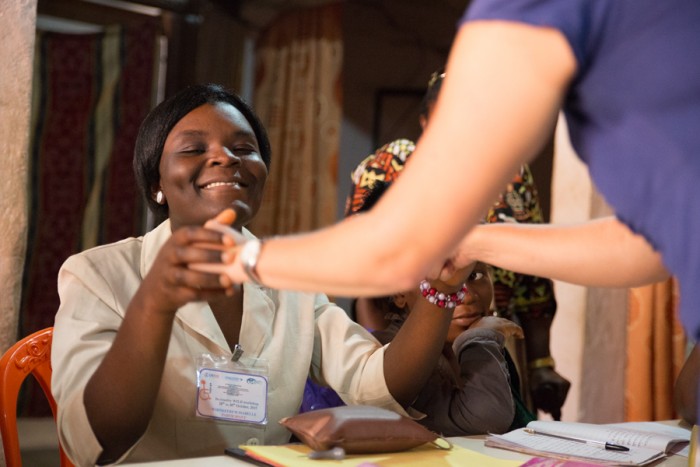
The speech language pathologist educates the participants about tactile sign language.
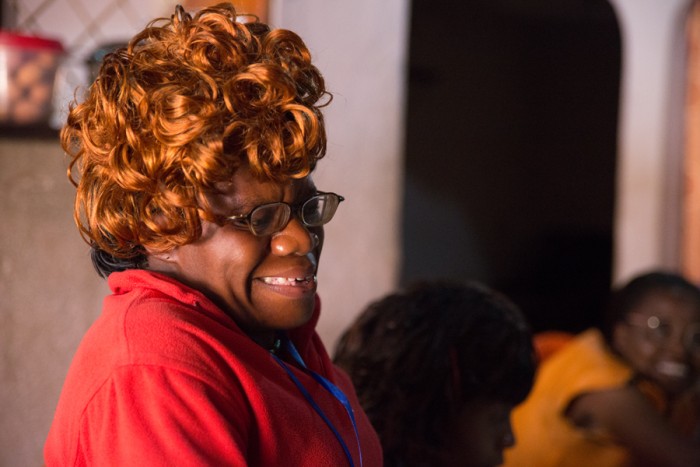
A woman with disability shares that she has learned a lot about advocacy.
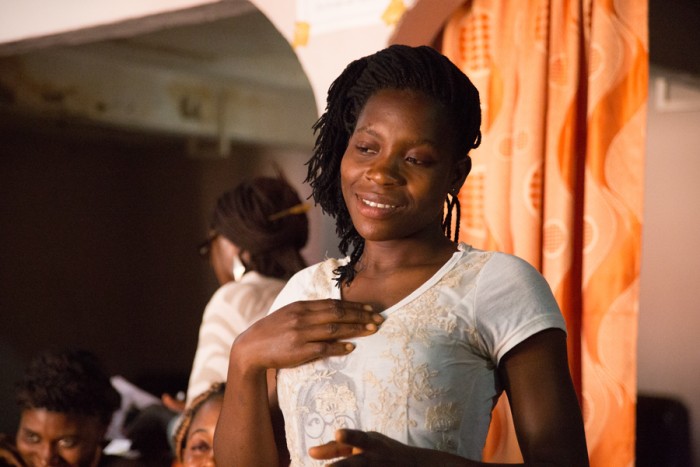
Participants thanked for the opportunity to be part of the workshop.
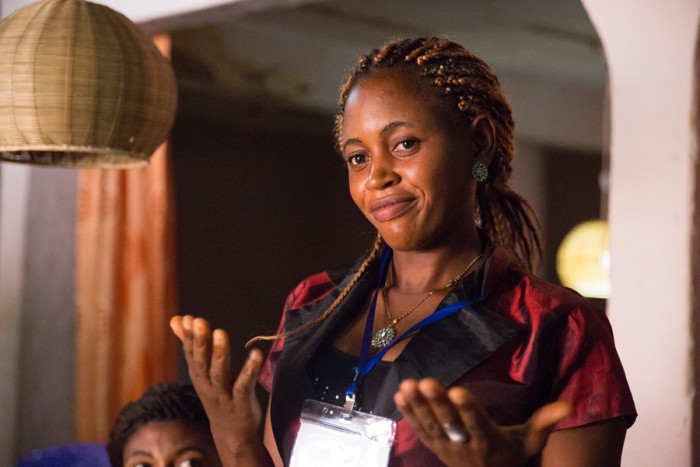

Every participant received a certificate.
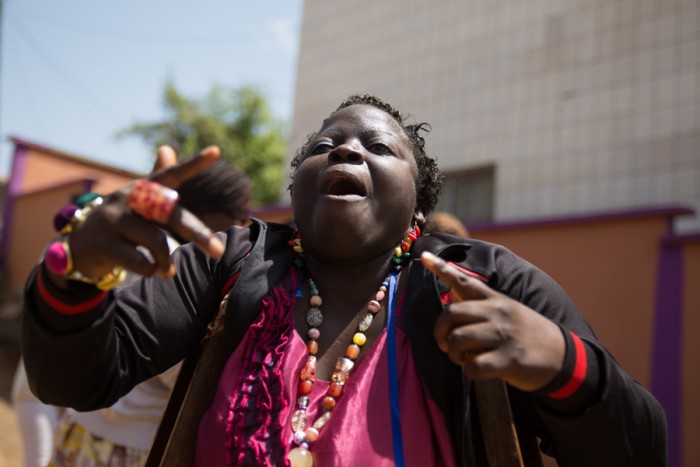
A woman with disability celebrates the success of the workshop by dancing.